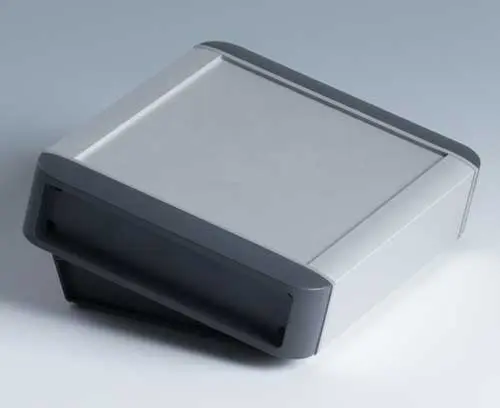
 Aluminium-Profilgehäuse

-
Produkte
Produkte Gehäuse und Drehknöpfe
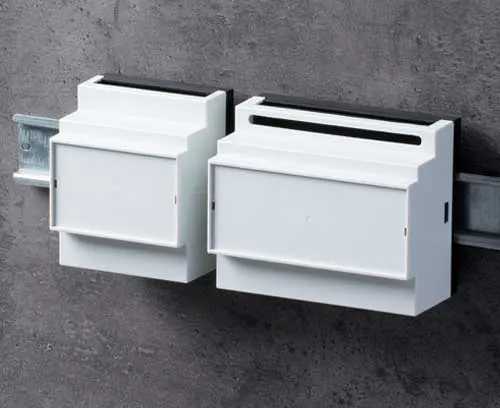
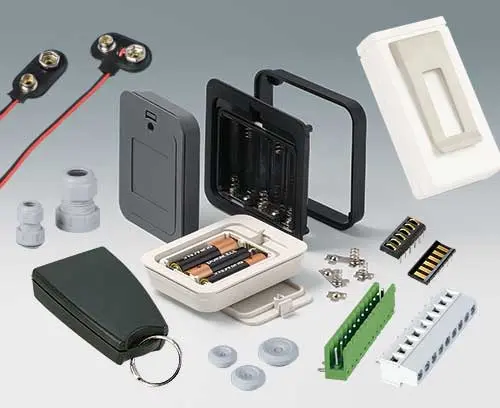
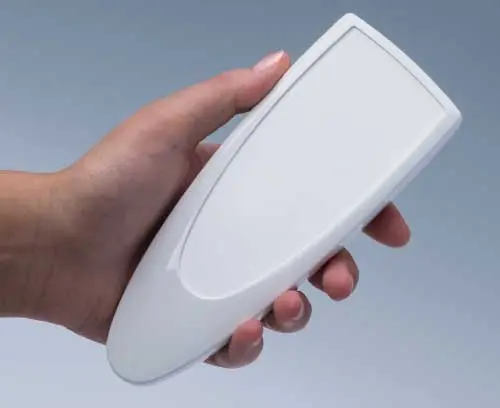
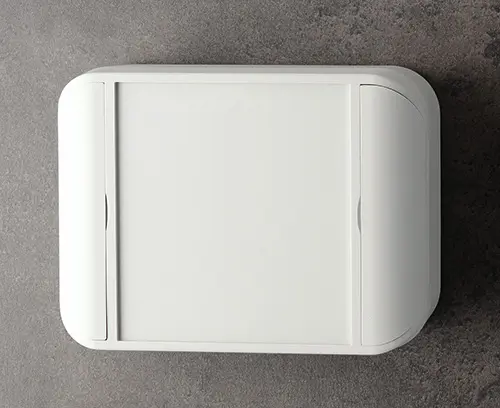
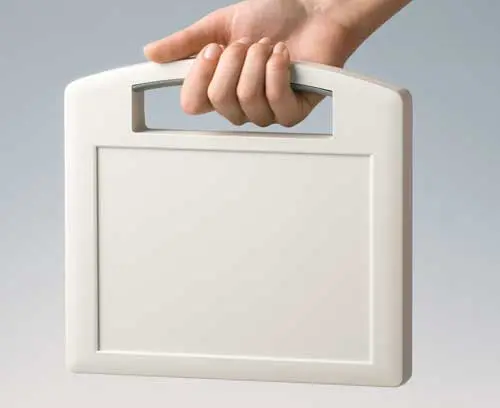
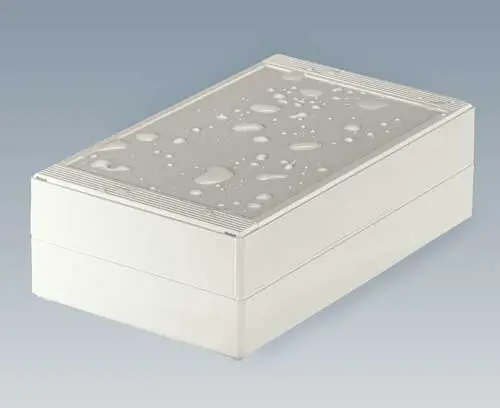
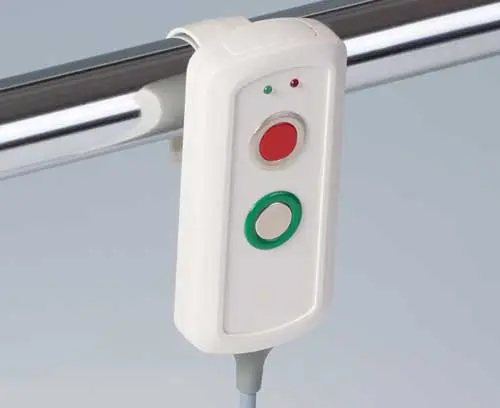
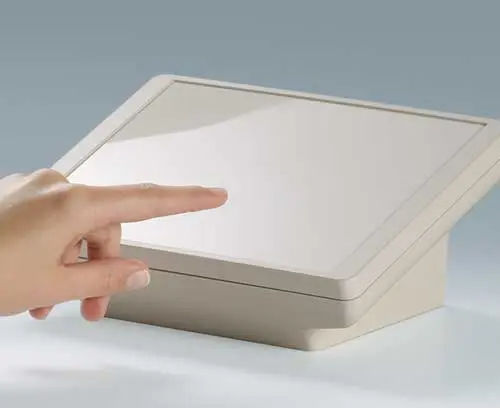
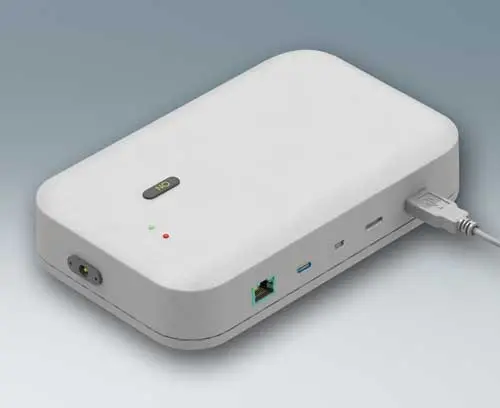
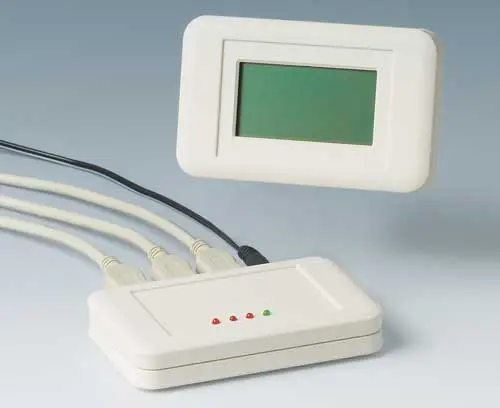
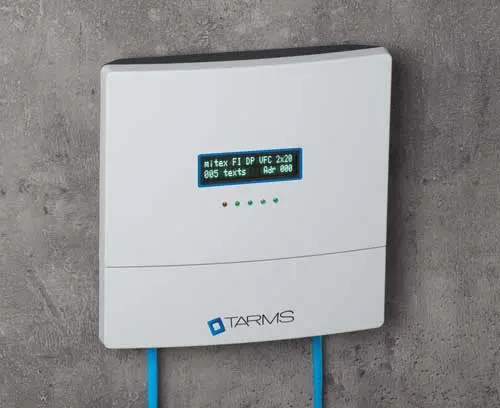
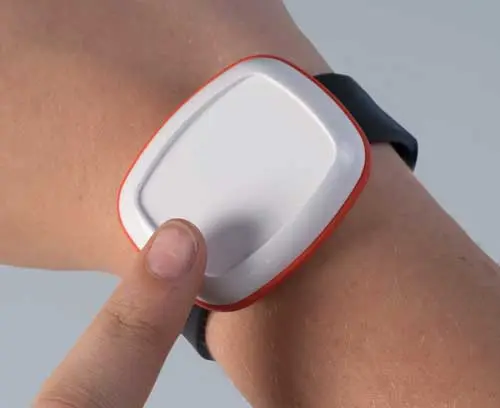
Moderne Kunststoffgehäuse, Aluminiumgehäuse und Drehknöpfe für die unterschiedlichsten Bereiche: Handgehäuse, Wandgehäuse, Tischgehäuse, DIN Schienengehäuse etc. Überzeugen Sie sich!
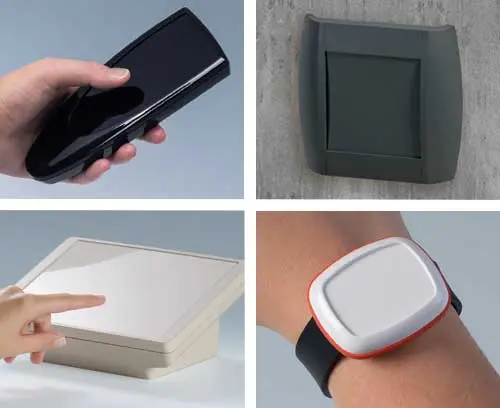
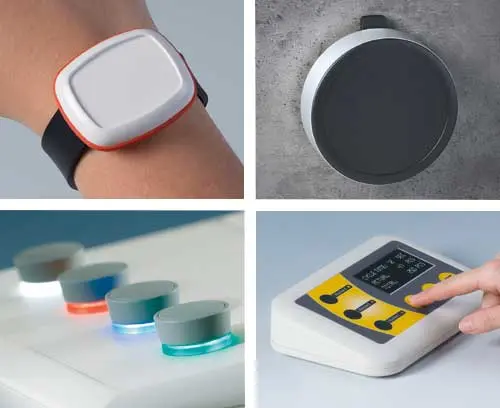 Kunststoffgehäuse Fortschrittliche Kunststoffgehäuse für die Elektro- und Elektronikindustrie
Für ein zeitgemäßes Geräte-Design. Verschaffen Sie sich einen Überblick und wählen Sie hier aus unserem großen Angebot aus.
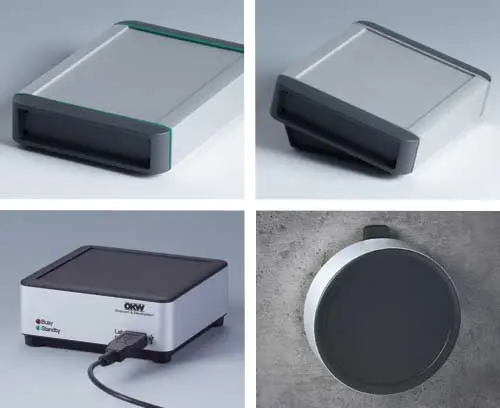
 Aluminiumgehäuse Hochwertige Aluminium-Profilgehäuse im attraktiven Materialmix mit Kunststoff
Für einen zuverlässigen Schutz Ihrer Elektronik. Sonderlängen der Aluminiumprofile auf Anfrage.
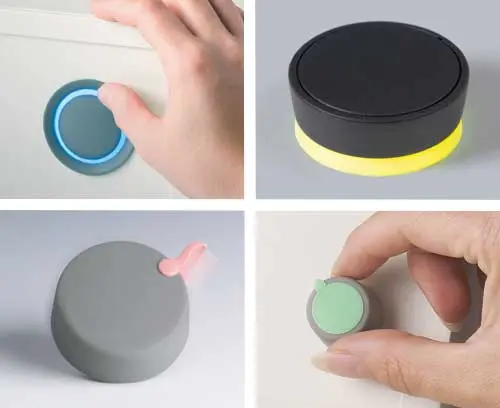
 Drehknöpfe Umfangreiches Drehknopfprogramm: ergonomisch, modern und klassisches Design
Vielfach bewährt für Drehpotentiometer mit runden und abgeflachten Wellenenden nach DIN 41591 bzw. 6/4,6 mm.
-
Individualisierung
Individualisierung Wir liefern die Gehäuse einbaufertig nach Ihren Anforderungen und Wünschen
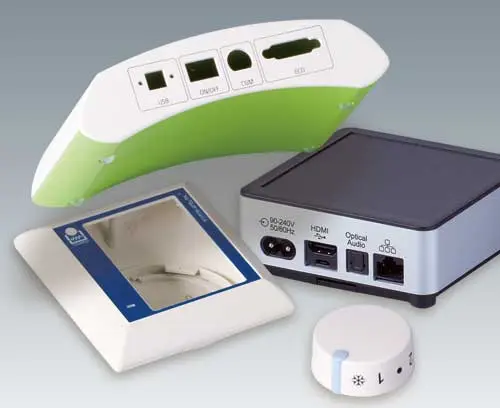
Teilen Sie uns mit, was Sie für Ihr ganz persönliches Produkt benötigen. Unsere Gehäuse und Drehknöpfe bearbeiten und veredeln wir entsprechend. Hier finden Sie eine Übersicht unserer Leistungen.
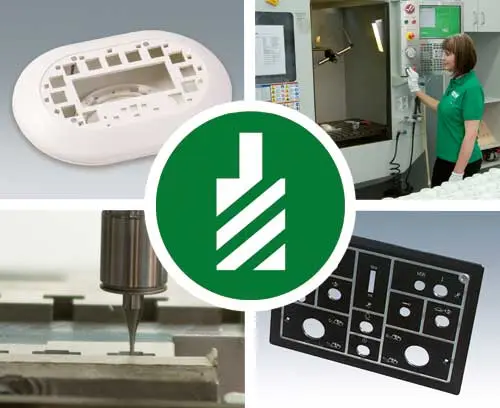
 Mechanische Bearbeitung Wir führen für Sie schnell und zuverlässig individuelle Bearbeitungen aus
Ausschnitte / Durchbrüche für Schnittstellen, Displays, Bedienelemente und Kabelein- und -ausgänge, Gewindebohrungen, Vertiefungen für Folien etc.
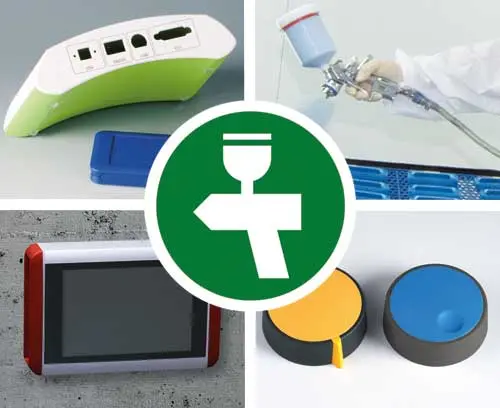
 Lackieren Wir lackieren die Gehäuse und Drehknöpfe für optisch und funktionell anspruchsvolle Oberflächen
Wählen Sie Ihre Hausfarbe oder eine Schutzlackierung für besondere Anforderungen, z.B. ESD-Lack.
 Bedruckung Wir bedrucken Gehäuse, Frontplatten und Drehknöpfe im Sieb-/ Tampon- und Digitaldruck
Logo, Text und Grafik in Ihren Farben gedruckt.
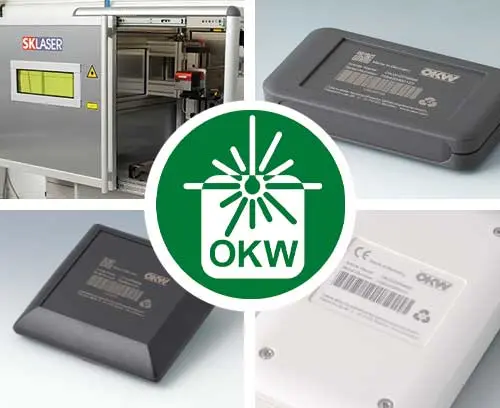
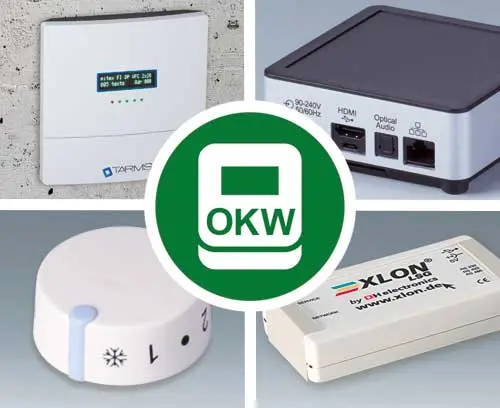 Laserbeschriftung Wir lasern zahlreiche Kunststoff- und Aluminiumgehäuse und Komponenten aus dem Standardprogramm
Zum Beschriften, Kennzeichnen oder Markieren, z.B. Logo, Text, Grafik, Codes, Nummerierungen etc.
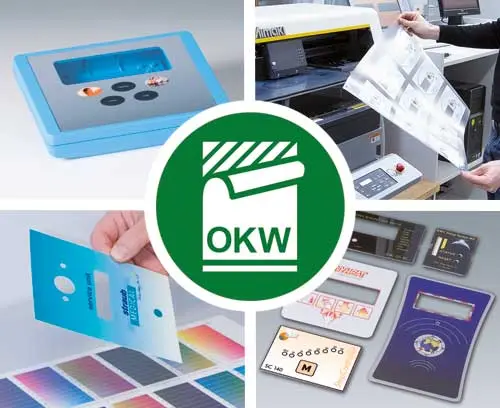
 Dekorfolien Wir bedrucken Dekorfolien für die Beschriftung der Gehäuse digital in Fotoqualität
Folien ohne/mit Prägung für Tastenfunktion, Display-/ LED-Fenster, Barcode etc.
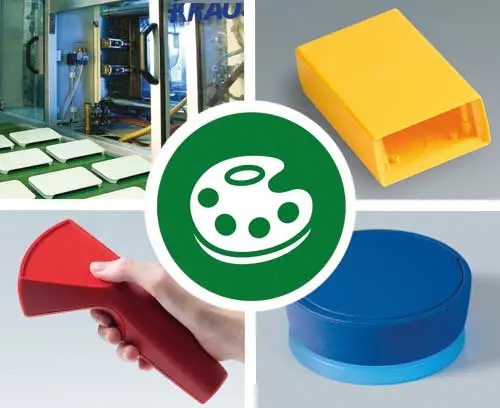
 Sondermaterial Wir fertigen die Standardgehäuse und Drehknöpfe aus Kunststoff auch in Ihren Farben
Individuelle Farbeinstellung gemäß Muster, RAL, Pantone etc.
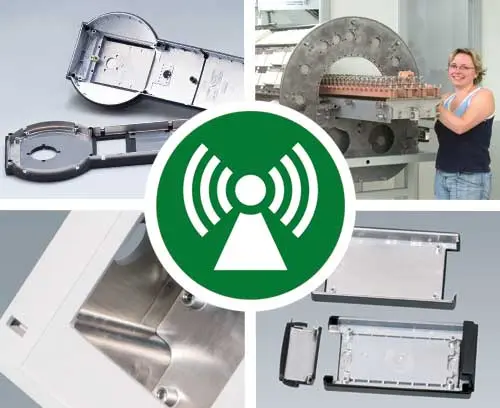
 EMV Schutz Wir beschichten zahlreiche Kunststoffgehäuse mit Aluminium zum Schutz gegen elektromagnetische Strahlung
Sicher und zuverlässig dank anwendungsorientierter EMV.
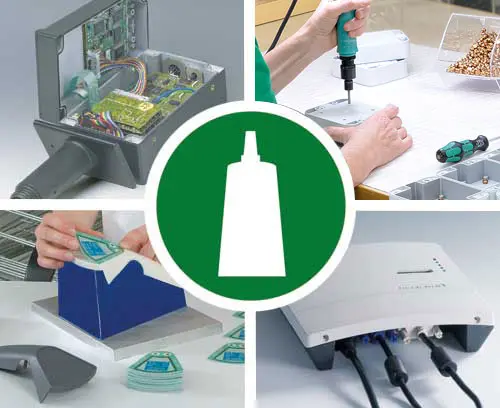
 Konfektion / Montage Wir führen Montagearbeiten zur Komplettierung der Gehäuse-Baugruppe bzw. des Gerätes aus
Montage von Gehäusezubehör, Einkleben von Dekorfolien und Displayscheiben, Baugruppen-Montage, individuelle Bestückung mit Abstandshalter, Befestigungsdomen etc.
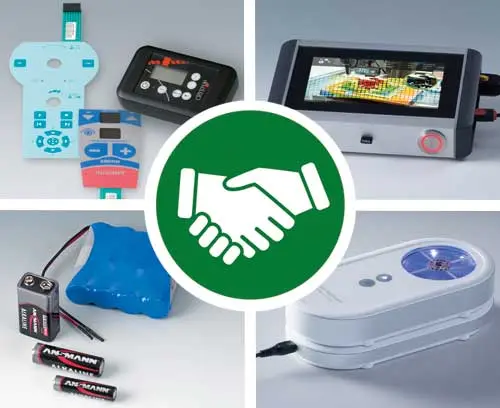
 Partner-Lösungen Wir kooperieren mit leistungsstarken Partnern
Dank Partnerschaften für Eingabesysteme und Energie-/ Stromversorgung können wir Ihnen individuell abgestimmte Gehäuse als Komplettlösung anbieten.
-
Applikationen
Applikationen Fundiertes Applikations-Know-how
Beispiele von Kundenapplikationen zeigen die vielfältigen Möglichkeiten für den Einsatz unserer Gehäuse und Drehknöpfe. Wählen Sie den Einsatzbereich, für den Sie weitere Informationen wünschen.
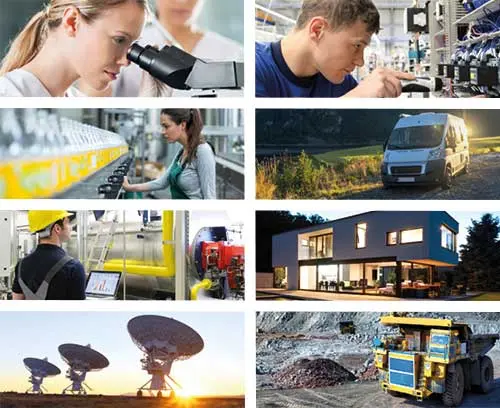 Medizin / Labor / Wellness Mensch und Ergonomie
OKW legt den Schwerpunkt auf innovative und hochwertige Lösungen mit ergonomisch günstigen Formen, die Vertrauen schaffen.
 Mess-/ Regeltechnik / Automatisierung Mensch und Präzision
OKW Lösungen garantieren hohen Bedienkomfort und Sicherheit im Alltag.
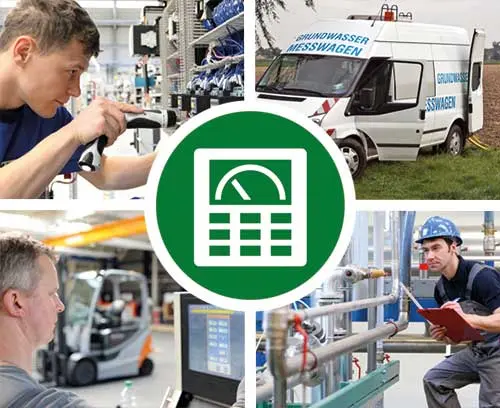 Maschinenbau / Anlagen Mensch und Produktion
OKW Lösungen sind bedienungs- und ablesefreundlich und zeichnen sich ferner durch Zuverlässigkeit aus.
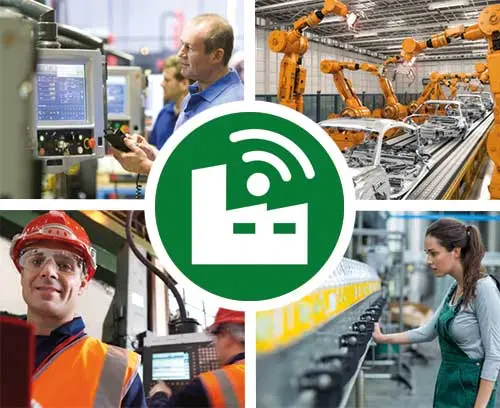 Fahrzeugtechnik / Baumaschinen / Militär / Luftfahrt Mensch und Mobilität
Mit ihrer robusten Konstruktion und den hochwertigen Materialien trotzen OKW Gehäuse und Drehknöpfe selbst harten Beanspruchungen.
 Heizung / Klima / Umwelt Mensch und Effizienz
OKW entwickelt bedarfsgerechte Lösungen, damit Sie und Ihre Anwender lange Freude an den Geräten haben.
 Sicherheitstechnik / Gebäudetechnik Mensch und Technik
OKW ist Wegbereiter bei der Entwicklung modernster Lösungen, um Fortschritte in smarten Technologien zu unterstützen.
 Kommunikation Mensch und Information
OKW setzt neue Maßstäbe, damit Sie Ihre Informations- und Kommunikationsprozesse optimal gestalten können.
 Bergbau / Gas / Öl Mensch und Rohstoffe
Raue Umgebung - OKW hat Lösungen, die einen hohen Qualitätsstandard für den Schutz Ihrer Elektronik bieten.

-
News
News
Neu bei OKW
Entdecken Sie die Produktneuheiten und Innovationen von OKW und lesen Sie aktuelle Firmennachrichten.
 NewsPresseinformationen
Aktuelles erfahren
Hier finden Sie unsere Pressemitteilungen und Pressebilder.
 Messen & Veranstaltungen
Vor Ort im Dialog
Internationaler Messe- und Veranstaltungskalender mit aktuellen Messeteilnahmen von OKW und unseren Vertriebspartnern. Wir freuen uns auf Ihren Besuch!

-
Informationen
Wie bekomme ich ein Muster oder Angebot?Mit dem Warenkorb-Symbol können Sie einfach Produkte in Ihrem persönlichen Warenkorb sammeln und anschließend ein Muster und/oder ein Angebot anfordern. Erläuterungen hierzu erhalten Sie hier.
 Fachwissen direkt vom Experten
Ausführliche Erläuterungen zur Werkstoffauswahl und zu internationalen Standards wie Schutzarten, Brennbarkeitstest, Umwelt-Richtlinien etc.
 Montageanleitungen, Zertifikate, Kundenmagazin INSIDE und Publikationen aus der Fachpresse
Laden Sie sich die gewünschten Informationen hier herunter.
 PDF und AutoCAD DWF
Verwendungshinweise und Links zu den Herstellerseiten zum Herunterladen der Anzeigeprogramme.

-
Über OKW
Tradition und ModerneOKW Gehäusesysteme ist ein deutsches Unternehmen mit Sitz in Buchen/Odenwald. Lernen Sie die wichtigsten Fakten unseres Handelns, zu unserem Produktportfolio und unserer Firmengeschichte kennen.
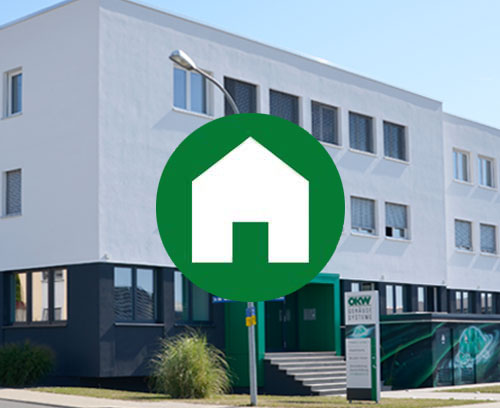 Vertrieb OKW Schweiz
Okatronic AG ist die Schweizer Tochtergesellschaft von OKW Gehäusesysteme, Buchen/Deutschland. Unsere Firma wurde im Jahre 1996 in Härkingen gegründet.
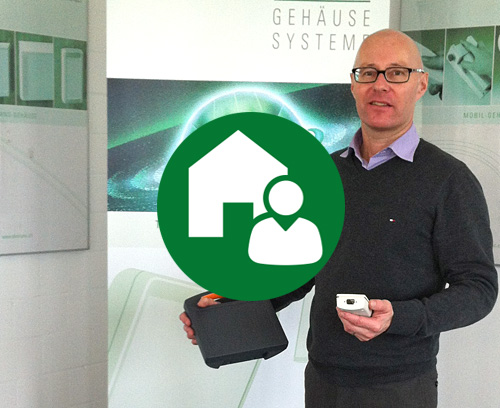 OKW weltweit
Finden Sie hier Ihren OKW Ansprechpartner vor Ort.
Tochterunternehmen in 8 Ländern auf 4 Kontinenten und langjährige Vertriebspartner in aller Welt sind vor Ort für Sie da.
 Verantwortung übernehmen
Unsere Produkte entsprechen den Anforderungen der Umwelt-Richtlinien und -Verordnungen wie REACH, RoHS, WEEE etc.
 Wir nehmen den Schutz Ihrer persönlichen Daten ernst und möchten, dass Sie sich beim Besuch unserer Internetseiten sicher und wohl fühlen.
Hier geben wir Ihnen einen Überblick zum Datenschutz.
 Impressum
Impressum der Odenwälder Kunststoffwerke Gehäusesysteme GmbH in Buchen.

-
Kontakt
Wir sind da, wenn Sie uns brauchenIhre E-Mail wird gleich an die zuständige Adresse in Ihrer Region weitergeleitet.
Alternativ können Sie auch die Merkliste mit Produkten befüllen und eine Anfrage senden: verwenden Sie hierfür das „Merklisten-Symbol“.